Before the Appointment
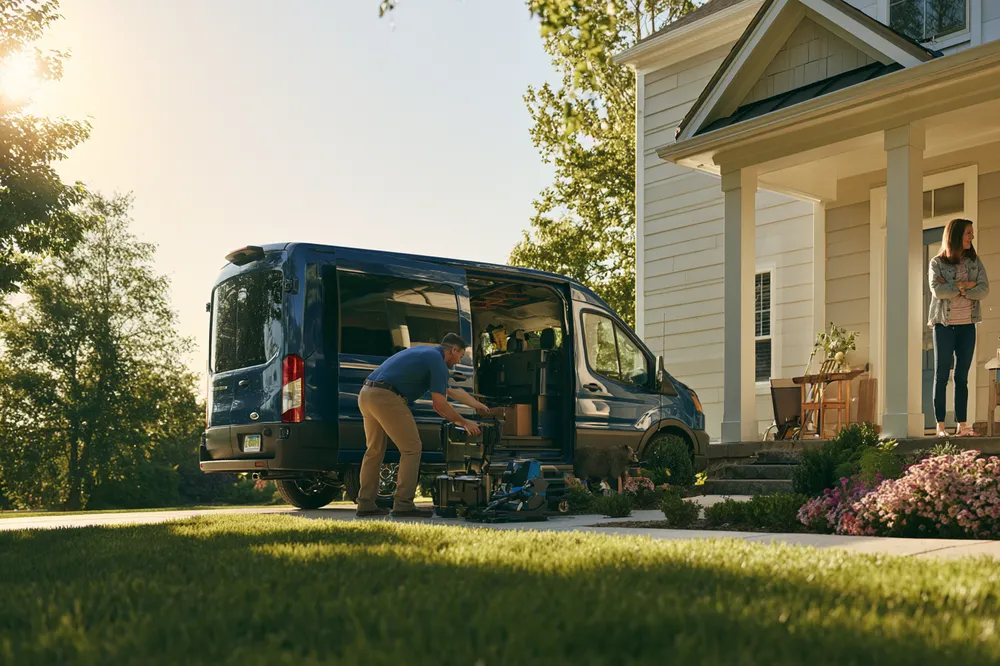
Windshield replacement is a ninety-minute procedure wrapped in decisions people make blind, so this walkthrough removes the blindfold. Before anyone touches your car, three choices set the appointment's shape. Glass grade: dealer-boxed OEM, OEE (the same factories under aftermarket boxes, typically 20–40% cheaper), or generic aftermarket — on camera-equipped vehicles the OEE-or-better tiers keep recalibration drama-free. Location: in-shop appointments suit vehicles needing static recalibration with target boards; mobile service in your driveway suits everything else and usually costs nothing extra. And payment route: an insurance glass claim, cash, or financing — the decision arithmetic our windshield and glass loans page works through, deductible against quote. Confirm the exact glass part number on the quote matches your build: rain sensors, acoustic interlayers, heating elements, and HUD projection zones all change the part, and the wrong glass discovered mid-appointment wastes everyone's day.
Arrival and the Walk-Around
A professional installer starts with a documented walk-around: existing paint chips near the glass, dashboard condition, and the state of your wipers and cowl trim, photographed before work begins. This protects both parties — and its absence is a small red flag worth noting. The technician then protects the hood and fenders with covers, removes the wiper arms and the plastic cowl panel at the windshield's base, and pulls the interior mirror, rain-sensor connector, and camera housing. Ten minutes in, your car is wearing surgical drapes, and the actual separation begins.
Cutting Out the Old Glass
The windshield is not clipped in; it is glued to the body with a continuous bead of urethane adhesive strong enough that the glass contributes to roof-crush resistance. Removal means cutting that bead: fiber-line tools that saw through the urethane from inside, or powered cold knives worked around the perimeter. Done well, the old glass lifts out clean; done carelessly, the tools scratch the pinch weld — the painted metal flange the new bead will bond to — and every scratch is a future rust site under your new windshield. This is the invisible craftsmanship gap between installers, and it is why the cheapest quote in town is sometimes financed rust remediation on a two-year delay.

Prepping the Pinch Weld
With the glass out, the technician trims the old urethane down to a thin, even layer — fresh urethane bonds best to a millimeter or two of the old — and treats any nicks in the paint with primer. Bare metal scratches get corrosion primer, full stop; skipping it is the shortcut that produces the rust halo you see creeping from windshield edges on ten-year-old cars. The new glass, meanwhile, gets its bonding surface cleaned and primed. Total prep time, fifteen to twenty minutes that determine whether the installation lasts twenty years or leaks by the second winter. If you are watching, this is the stage where good shops are visibly unhurried.
Setting the New Windshield
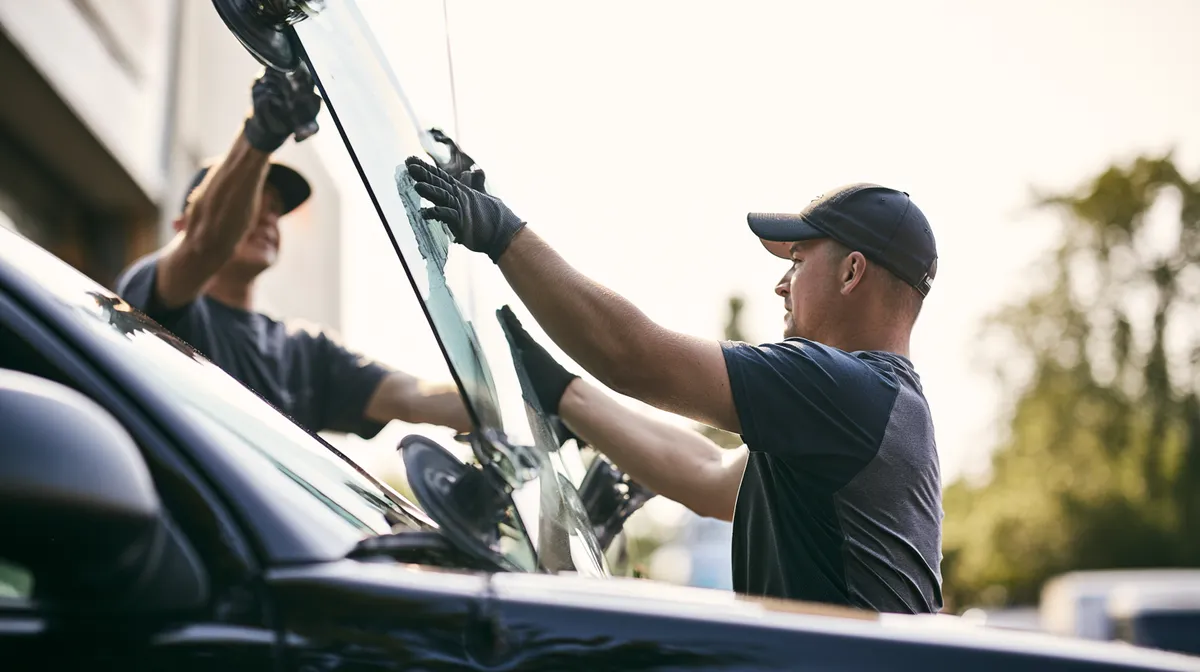
The technician runs a fresh urethane bead around the pinch weld in one continuous triangle-profile pass — consistency here is watertightness later — then sets the glass with suction-cup handles or a setting robot, aligning it to reference marks in one smooth placement. The glass cannot be repositioned once it touches the bead without compromising the bond, which is why this thirty-second step gets the most concentration of the day. Gentle pressure seats the bead, retention tape holds the glass while curing begins, and the cowl, wipers, mirror, and sensor housings go back on. Elapsed time from cutout to set: typically forty-five to seventy-five minutes.
The Recalibration Step
On vehicles with windshield-mounted cameras — most built in the last decade — the appointment is not finished when the glass is in. Lane-keeping and emergency-braking cameras now sit millimeters from where they used to, and millimeters at the bracket become meters of aiming error at distance. Static recalibration positions printed target boards at measured distances under controlled light; dynamic recalibration is a prescribed drive at set speeds with a scan tool attached; many models require both, adding $150 to $400 and up to an hour. Insist on the printed pass report — it is your proof the safety systems aim true, and future buyers will ask for it. An installer who waves the step off as self-learning is discounting your emergency braking, a corner our guide to choosing a repair shop files under disqualifying.
Safe-Drive-Away Time
Urethane cures by absorbing moisture from the air, and until it reaches minimum strength the windshield's crash-structure duties are compromised. Every adhesive has a stated safe-drive-away time — commonly one to three hours varying with temperature and humidity — and a professional shop quotes yours in writing and means it. This is the least skippable waiting period in car repair: the passenger airbag deploys off the windshield, and an under-cured bond can let the glass separate exactly when it matters. Bring a book, schedule a ride, or have mobile service come to your driveway where waiting costs nothing. “You can drive it right now” after a full replacement is not customer service; it is a corner being cut on your behalf.
Reading the Invoice
A complete glass invoice itemizes: the glass by part number and brand, urethane kit and primers, moulding or clip replacements (one-time-use on many vehicles — legitimate), labor, recalibration as its own line with method noted, and mobile service if applicable. Standard windshields land at $250–$500 all-in; ADAS recalibration pushes $400–$1,200; heated, acoustic, and HUD glass reaches $600–$1,500. Compare quotes on identical part numbers or you are comparing different products. If the total arrives at an awkward moment, this is squarely the territory where a small fixed-payment personal loan beats both waiting (the crack does not wait, as our chip-spread guide documents) and revolving the bill on a card — road loans at these amounts typically fund the next business day, and the calculator shows the monthly figure before you book.
The First 48 Hours
Aftercare protects the work: leave a window cracked a finger-width the first day so door-slam pressure spikes vent harmlessly, keep the retention tape on for the day it is specified, skip high-pressure washes for 48 hours, avoid slamming doors and rough roads while the urethane builds full strength, and leave the dashboard clear of heavy objects. Wind noise or a water trace at the pillar trim inside the first week means one thing: call the installer immediately — reputable shops warranty leaks for as long as you own the car, and early correction is a reseal, not a redo. File the invoice and the recalibration report with your maintenance records; documented glass work with a passing calibration is quiet gold at resale time.
Paying for Replacement Day
The invoice section above covered what the numbers mean; this one covers where the money sensibly comes from. Insurance leads when it applies: comprehensive glass claims generally do not carry the premium consequences of at-fault claims, zero-deductible glass states make the arithmetic trivial, and full-glass riders bought for a few dollars monthly pay for themselves at the first stone strike — check the policy before anything else. Self-pay follows for everyone whose deductible eats the quote, and within self-pay the split runs by amount: standard windshields at $250–$500 sit inside a healthy repair fund's job description, while the recalibration and technology-glass tiers at $400–$1,500 are the classic personal-loan band — defined one-time bills, safety-relevant timing, and totals a written quote pins down to the part number.
Road loans fit replacement day's logistics particularly cleanly: funding typically lands the next business day after e-signing, which means the quote-Tuesday, fund-Wednesday, install-Thursday sequence fits inside the same week the damage occurred — before thermal cycling can grow the job. Because personal loans through the road lending network deposit to your account rather than to an installer chain, the glass-grade and installer-quality decisions this guide spent three sections on remain fully yours, and paying as a cash customer occasionally shakes loose a modest discount worth asking about. Size the road loan application to the exact quoted total (glass pricing is the most stable in car repair — the part number is the price), preview the monthly figure in the calculator, and keep the term short: 12–18 months suits a repair designed to outlast the car. The recalibration report goes in the folder either way; it is the one artifact of replacement day that appreciates.
Bottom Line
Replacement day rewards the prepared customer at every stage: the right part number quoted, the pinch-weld prep unhurried, the recalibration documented, and the safe-drive-away time respected like the crash-structure requirement it is. Insurance leads where policies allow; self-pay splits by tier, with personal loans covering the recalibration-and-technology band where road loans fund the appointment inside the damage week. Keep the term short, keep the installer choice yours — personal loans deposited to your account guarantee that — and keep the calibration report forever. A windshield done right disappears from your life for a decade; a personal loan sized to the exact quote disappears in months; and both outcomes trace back to the same ten minutes of reading you just finished.
Reader question worth appending: can passengers or family handle replacement day for you? Almost entirely — anyone can meet the mobile installer or drop the car, and the technical decisions were locked when the quote was accepted. Two things stay yours: e-signing any personal loan funding the work, since road loans agreements bind only their borrower, and reviewing the recalibration report before driving, since the safety verification is for the person behind the wheel. A personal loan can be signed from a phone at lunch and the deposit lands next morning — a personal loan never requires attending anything — which means even a delegated replacement day still fits inside the week the crack appeared. Your only contributions: one personal loan signature and one document check.
Keep Reading

How Fast Does a Windshield Chip Spread?
The physics, the triggers, and the short window when repair is still cheap.
Windshield & Glass Repair Loans
Financing replacement glass and recalibration from $500 to $5,000.