
Fifteen guides on the money side of keeping a car alive — what repairs really cost, which warning signs set the schedule, how to read the paperwork, and how to pay for all of it without wrecking a budget. Two guides anchor each of the four repair categories we finance, and seven cover the decisions every driver faces regardless of what broke. No fluff, real numbers, written to be worth your reading time.

Auto Body & Paint
What Car Dent Repair Really Costs
Why identical-looking dents range from $100 to $1,500, how shops price PDR versus fill-and-paint, and where the money actually goes.

Auto Body & Paint
Repaint vs. Touch-Up: Choosing the Right Paint Fix
When a $30 pen genuinely solves it, when a panel respray is the honest answer, and the middle options shops rarely volunteer.

AC & Electrical
Car AC Blowing Warm? The Real Causes, Ranked
From a $20 cabin filter to a $1,600 compressor — the warm-air causes ranked by likelihood and cost, with the tests shops run first.

AC & Electrical
7 Car Electrical Warning Signs You Should Never Ignore
Slow cranks, flickering lights, and phantom drains — which electrical symptoms mean tomorrow and which mean today.

Windshield & Glass
How Fast Does a Windshield Chip Spread? Sooner Than You Think
The physics of running cracks, the weather that triggers them, and the short window when a $100 repair is still on the table.

Windshield & Glass
Windshield Replacement Day: What Actually Happens
From old-glass cutout to safe-drive-away time — a start-to-finish walkthrough so nothing on the invoice or the process surprises you.

Brakes & Suspension
Squeaky Brakes Decoded: What Each Sound Means
Squeal, grind, thump, and scrape each name their own problem and price. A sound-by-sound guide to acting at the cheap moment.
Brakes & Suspension
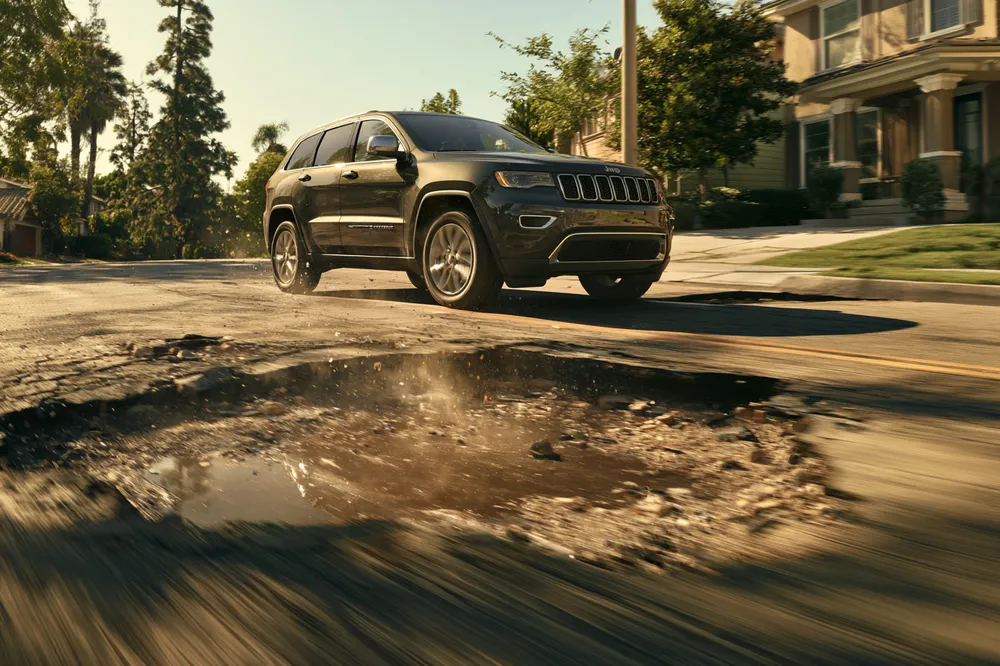
8 Signs Your Suspension Is Failing (Beyond the Rough Ride)
Nose-dive, cupped tires, wandering steering — the symptoms that show up before the clunk, and what each costs to fix.

Money & Repairs
How to Read a Car Repair Estimate Line by Line
Parts, labor hours, shop supplies, and the phrases that separate required work from while-we-are-in-there suggestions.

Money & Repairs
Building an Emergency Car Repair Budget From Zero
A realistic set-aside plan by vehicle age and mileage, and how to bridge repairs that arrive before the fund does.

Money & Repairs
How to Choose an Auto Repair Shop You Can Trust
Certifications that mean something, questions that reveal everything, and the quote patterns that expose padding.

Money & Repairs
The Seasonal Car Care Checklist That Prevents Big Bills
The specific checks before summer heat and winter cold that keep $200 maintenance from becoming $2,000 repair.

Money & Repairs
DIY vs. Professional Car Repair: An Honest Boundary Map
What a driveway mechanic can safely own, what belongs to the shop, and the jobs where saving labor costs double.
Money & Repairs
Protecting Resale Value: Which Repairs Pay You Back
The maintenance and cosmetic fixes buyers actually pay for, the ones they ignore, and the paperwork that proves it all.

Money & Repairs
How to Plan Monthly Loan Payments You Will Not Regret
A worksheet approach to payment sizing: worst-month budgeting, term matching, and the voluntary-overpayment trick.
Where to Start
If a repair bill is sitting in front of you right now, start with reading the estimate so you know exactly what you are buying, then plan the payment before any road loan application gets filled out. If the car is fine today, the seasonal checklist and the budget-from-zero guide are the two that make the future cheaper. And if a specific symptom brought you here — a squeal, a warm vent, a chip — the category guides above each open with a ranked diagnosis so you can match the sound or symptom to a realistic price range before the shop does it for you. New guides are announced in the RSS feed.
The Guides, Cluster by Cluster
Body & paint. The two guides in this cluster attack the category's defining confusion — why visually identical damage prices wildly apart. The dent-cost guide breaks quotes into the four variables shops actually price on, and the repaint-versus-touch-up guide maps the five-step repair spectrum most drivers never hear past its endpoints. Together they pair with the body and paint loans page for the how-to-pay half: what tier of personal loan fits each tier of damage, and when insurance math argues for self-paying entirely.
AC & electrical. These guides exist because this category's bills buy invisible results, which makes drivers uniquely vulnerable to both overpaying and under-repairing. The warm-AC guide ranks causes by real-world likelihood so a $20 filter gets checked before a $1,400 compressor gets quoted, and the electrical-signs guide translates the seven advance warnings that separate a scheduled fix from a tow truck. The financing angle — how road loans handle diagnose-first repairs whose totals arrive late — lives on the category page.
Windshield & glass. The chip-spread guide covers the physics that give this category the strictest deadline in car repair, and the replacement-day guide walks the appointment itself, recalibration and safe-drive-away time included. Both drive toward one behavior: acting inside the short window when the fix is still a $100 personal-loan-free afternoon. When the window has closed, the glass loans page covers same-week funding at replacement prices.
Brakes & suspension. The brake-sounds guide translates the system's full vocabulary — squeal through grind through the dangerous silences — and the suspension guide catalogs the eight warnings that arrive before the ride collapses. This is the cluster where response time most directly sets the invoice, which is why both guides keep pointing at the same cheap moment, and why the category page treats fixed-payment road loans as a safety tool wearing financial clothing.
Money & repairs. The seven general guides form a curriculum in order: read the estimate, choose the shop, know your DIY boundary, run the seasonal calendar, protect the resale value, build the emergency fund, and size any loan payment against the worst month rather than the average one. They are deliberately loan-agnostic — most of their advice saves money whether or not a road loan application ever gets submitted — because an informed customer is the only kind the road lending model actually wants to fund. Readers who work through all seven typically stop needing the first four categories' crisis advice at all, which is the quiet point of publishing them.
How These Guides Are Written
Every guide follows the same editorial rules. Numbers over adjectives: costs appear as researched U.S. ranges with the price-drivers named, not as “affordable” and “expensive.” The cheap moment gets found: each symptom guide identifies the specific stage where acting costs least, because that timing is worth more than any financing advice. Personal loans appear where they genuinely fit — the defined one-time bills in the $500–$5,000 band — and the guides say plainly when saving, insurance, or a promo card beats borrowing, because referrals earned from bad advice cost more than they pay. And every guide gets updated when market pricing moves, rather than aging quietly. If a figure here disagrees with the estimate in your hand, trust the estimate — then email us, because one of us has stale data and we would like to know which.
Reading Order for Three Common Situations
The bill is on the counter right now. Read the estimate guide first and audit every line, then the payment-planning worksheet to size what you can carry, and only then decide the instrument — fund, promo card, or personal loans on fixed terms. This order exists because financing an unaudited estimate rents padding at interest, and because road loans sized after the worksheet almost never get regretted. The relevant category guide fills in the repair-specific price checks along the way, and the calculator converts any surviving number into the monthly figure your budget will actually meet.
The car is fine and you want it to stay that way. The seasonal checklist and the emergency-budget guide are the pair that compound: the first prevents the preventable share of repair bills, the second absorbs the small ones and pre-decides how the big ones get funded. Households running both report the distinctive outcome this blog quietly optimizes for — personal loans used rarely, deliberately, and at good pricing when road loans do enter, because nothing was ever decided in a panic at a service counter.
A symptom just appeared. Go straight to the matching category guide — sounds to the brake decoder, warm vents to the AC ranker, chips to the glass physics — and act at the cheap moment each one identifies, because response time sets repair pricing more than any negotiation. When the cheap moment still carries a real bill, the category's loan page covers how road loans fit that specific repair shape, and the network's next-day funding usually means the fix happens the same week the symptom did. Personal loans work best exactly there: early, sized to evidence, and finished before the part they bought wears out.
The Financing Thread Running Through All Fifteen
Readers sometimes ask why a blog about repairs keeps mentioning money mechanics, so here is the through-line stated once. Every guide above eventually meets the same fork: a bill, a budget, and a timing decision. The site's answer is consistent — a personal loan fits defined one-time bills in the $500–$5,000 band when the fund falls short and the deadline is real; a personal loan does not fit wants, guesses, or amounts a lean month could cover. The guides teach the repair half so any personal loan that does enter gets sized against evidence, and the category pages teach the personal loan half so the repair never waits on confusion. Fifteen guides, one fork, one honest map of both paths. The order of operations never varies either: repair knowledge first, written estimate second, funding decision last — because money chosen before the facts funds the guesswork, and money chosen after the facts funds only the repair. Read in that order, this blog is less a collection of articles than a single argument delivered fifteen ways: the cheap moment exists in every category, and the entire cost of car ownership bends around whether you reach it in time.