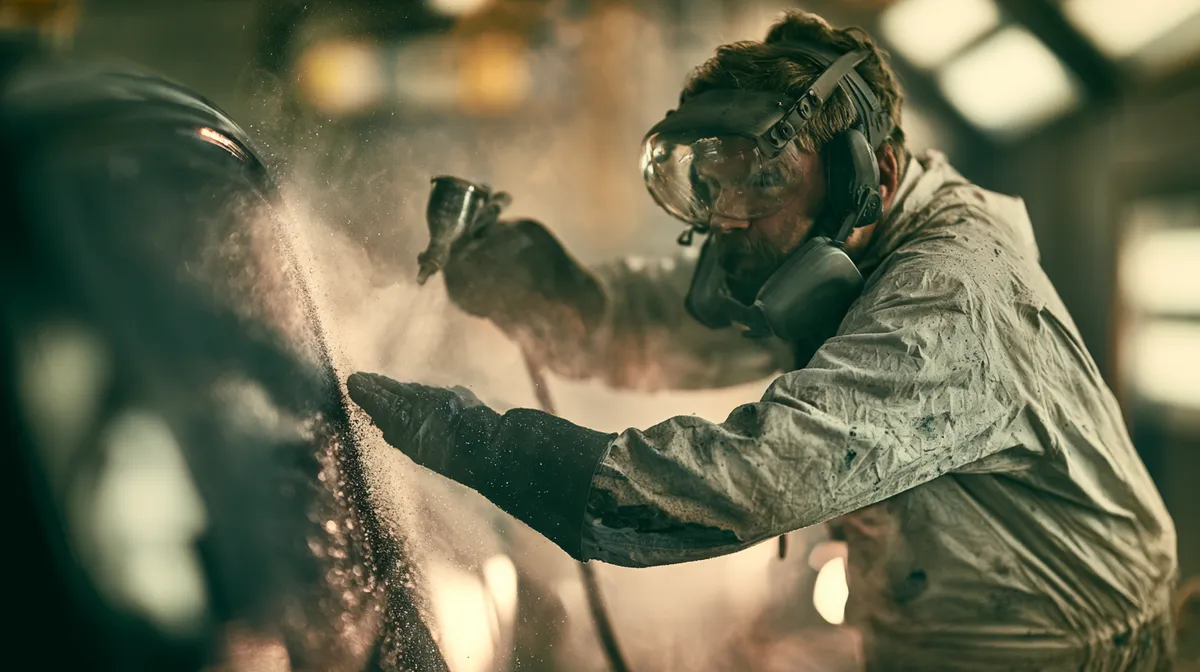
Auto body and paint loans are personal loans of $500 to $5,000 that pay for dent removal, panel replacement, rust repair, and resprays when insurance will not. Body work is the most commonly postponed category of car repair in America precisely because it rarely stops the car from driving — yet postponement is exactly what turns a $600 door ding into a $2,400 rust-and-respray job two winters later. Road loans let you fix the damage at today's price on a fixed monthly schedule.
When Body Work Cannot Wait
Three kinds of body damage justify borrowing rather than waiting. Broken or exposed metal invites rust, and once corrosion starts under paint it spreads invisibly until the repair doubles. Damage that affects function — a door that will not seal, a hood that will not latch, a bumper cover dragging near a tire — is a safety and legality problem, not a cosmetic one. And damage right before a sale or lease return costs you several times its repair price in lowered offers or lease-end penalty charges.
Purely cosmetic scratches on a car you plan to drive for years can wait if the clear coat is intact. The honest test: run a fingernail across the mark. If it catches, moisture can reach metal and the clock is running. Our post on what dent repair really costs walks through how shops price each damage type.
What Body & Paint Work Costs
Body work pricing confuses people because identical-looking dents can differ by a factor of ten depending on location, depth, and paint involvement:
| Job | Typical Range | What Moves the Price |
|---|---|---|
| Paintless dent repair (PDR), single dent | $100 – $400 | Dent depth and access behind the panel |
| Bumper cover repair and respray | $350 – $900 | Sensor removal, plastic welding needs |
| Single panel repaint with blending | $450 – $1,000 | Paint type; metallics and pearls cost more |
| Door skin or fender replacement, painted | $800 – $1,800 | OEM vs. aftermarket panel choice |
| Rust cut-out, patch, and refinish | $700 – $2,500 | How far corrosion spread beneath paint |
| Multi-panel collision-grade restoration | $1,500 – $4,500 | Frame pulling, blending across panels |
Labor rates at U.S. body shops typically run $50 to $120 per hour, and paint materials alone can add $300 to $800 on bigger jobs because modern base-coat/clear-coat systems are genuinely expensive. A shop that itemizes materials separately is being transparent, not padding the bill.
Why Insurance Often Does Not Pay
Most financed body work exists in the gap insurance leaves behind. Collision coverage carries a deductible — commonly $500 or $1,000 — so damage below or near that line is effectively self-pay. Single-car incidents like a garage-pillar scrape may be excluded on liability-only policies entirely. And many drivers with clean records rationally choose not to file small claims at all, because a claim on record can raise premiums by more than the repair cost over three years. A personal loan fills that gap without touching your insurance history.
Before deciding, get the shop estimate first, then compare three numbers: the repair cost, your deductible, and your agent's honest read on premium impact. When the repair lands between $500 and $2,000, self-paying through financing frequently beats claiming — run the payment through the calculator to see the monthly figure you are actually comparing.
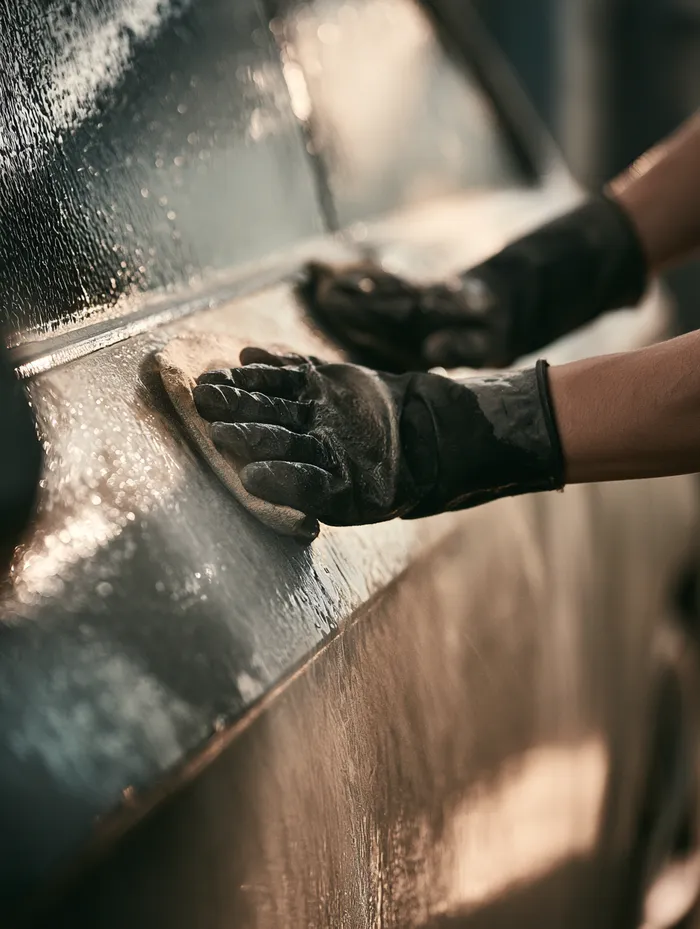
Choosing a Loan Amount
Match the request to the written estimate, not to a guess:
$500–$1,200
PDR for several dents, one bumper respray, or a single-panel blend after a parking-lot scrape.
$1,200–$2,800
Panel replacement with paint, moderate rust surgery, or two-panel damage from a low-speed impact.
$2,800–$5,000
Multi-panel collision repair, full-side resprays, or rust remediation on multiple sections.
Whether a lender approves the higher tiers depends on income and existing obligations more than credit score alone — the eligibility checklist lists exactly what gets reviewed, and the rates guide shows the APR range to expect at each profile.
From Estimate to Funded Repair
The sequence that works: photograph the damage from several angles, collect two or three itemized estimates, pick the shop, then submit a road loan application for the chosen estimate plus a small buffer. Prequalification through this site uses a soft inquiry, so gathering offers costs nothing and leaves no mark. Once you accept an offer and e-sign, funding commonly arrives the next business day, you schedule the shop, and you pay them like a cash customer — which sometimes unlocks a cash discount that partially offsets interest.
Keep every receipt and the final invoice. Documented repairs with photos measurably support asking price when you sell, and some shops extend longer warranties on paid-in-full work than on their own financing plans.
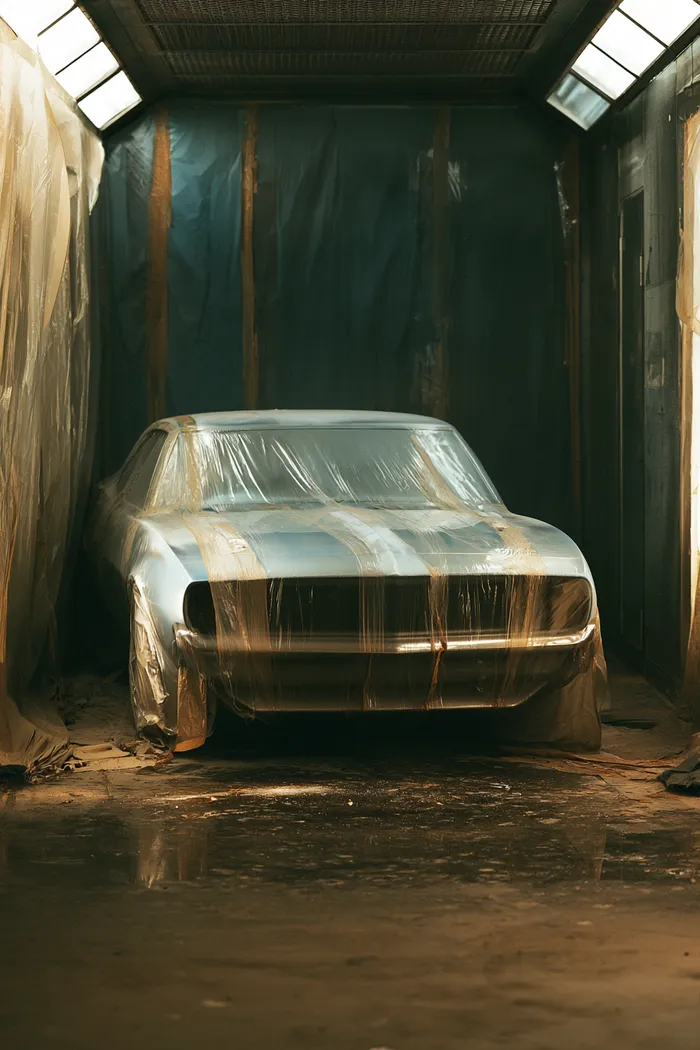
Getting a Fair Body Shop Quote
Body work quality varies more than any other repair category, so quote-shopping matters double here. Ask each shop the same five questions: Is the estimate itemized by panel and operation? Are panels OEM, aftermarket, or recycled? How many days in the booth? Is paint blending into adjacent panels included — the step cheap quotes silently omit and the reason fresh paint sometimes visibly mismatches? What warranty covers the paint work, and is it written?
A quote 30% below the others usually means aftermarket panels, skipped blending, or single-stage paint on a car that left the factory with clear coat. None of those are automatically wrong choices on an older vehicle, but they should be your informed decision, not a surprise at pickup. Our guide to choosing a repair shop covers the certification labels worth looking for, and repaint vs. touch-up explains when the cheaper path is genuinely enough.
Repair Cost vs. Resale Value
Body condition moves used-car prices more than mechanical condition at typical private-sale mileages, because buyers see paint before they hear engines. Dealer appraisal software commonly dings visible dents and mismatched panels $750 to $2,000 depending on vehicle class — frequently more than the repair itself. If a sale or trade-in sits anywhere in your two-year plan, a financed $1,400 respray that restores a $2,000 valuation gap is arithmetic, not vanity. The full breakdown, with worked examples by vehicle age, is in our resale value guide.
The same logic applies to lease returns: excess wear-and-tear charges are billed at the leasing company's rates, which are rarely kind. Fixing damage yourself at a shop you chose, funded on your schedule, almost always undercuts the lease-end invoice for identical work.
What You Can DIY — and Where the Line Sits
Body work has a genuine do-it-yourself tier, and honest budgeting means knowing it. Touch-up pens on stone chips, adhesive-backed trim replacement, headlight lens polishing, and suction or glue-tab pulling on shallow door dings are all realistic driveway jobs with $30–$80 in materials. The line sits exactly where paint gets sprayed or metal gets shaped: color-matching modern base-coat systems requires a booth, a mixing bank, and a spectrophotometer reading of your specific faded panel, which is why home rattle-can repairs are visible from across a parking lot in a way that measurably hurts resale. If the damage crosses that line, the choice is not loan-versus-DIY; it is loan-now-versus-bigger-loan-later, and our DIY versus professional guide maps the whole boundary honestly.
There is also a middle path worth pricing: many body shops will quote a “prep-assisted” job where you remove trim and hardware yourself and they handle metal and paint. On a multi-panel respray that split can trim a few hundred dollars off labor — enough to move a job down one financing tier. Ask; the worst answer is no.
Timing a Body Job Around Weather and Shop Season
Body shops run seasonal rhythms that affect both price and quality. Hail season and the first icy month fill booths with insurance work, pushing self-pay jobs to the back of the queue and stiffening quotes; late spring and early fall are typically the buyer's market for elective work. Weather matters technically too — paint cures best in moderate humidity, and rushed winter cures in an overbooked shop are where orange-peel texture and solvent pop come from. If your damage is stable (clear coat intact, no exposed metal), scheduling the respray for the shop's slow season and financing it on a planned road loan application rather than an emergency one is the version of this purchase where you hold every advantage: time to compare quotes, room to negotiate, and a booth that is not rushing your car out the door.
Paying the Body Shop: Deposits, Supplements, and Where Road Loans Fit
Body shops run a payment rhythm unlike mechanical shops, and knowing it prevents mid-repair surprises. Larger jobs commonly require a parts deposit — 20–50% up front for panels and paint materials ordered specifically for your car — with the balance due at pickup. Supplements are the other wrinkle: once panels come off, hidden damage sometimes surfaces, and reputable shops stop and call with a revised figure before proceeding. Both rhythms favor arriving funded: a personal loan deposited before drop-off covers the deposit without draining checking, and the 10% buffer built into a well-sized road loan absorbs the typical supplement without a second scramble.
This is also why road loans suit body work better than almost any other financing shape. Deferred-interest shop cards collide badly with multi-week body timelines — the promo clock runs while your car sits in the booth queue — while a fixed personal loan starts its predictable schedule regardless of shop pace. The road lending model adds one more practical edge: because a road loan application prices on your credit and income rather than the vehicle, the fifteen-year-old truck getting a $3,000 respray qualifies exactly as easily as a new SUV, which title-secured products cannot say. Drivers who compare personal loans against the shop's house plan before authorizing work — ten minutes with the calculator and both fee tables — report the loan winning most non-promo matchups, and knowing either way before the paint is mixed.
The Short Version
Road loans for body and paint work compress to five sentences. Fix broken paint this week even if the proper repair waits, because rust never budgets. Get itemized estimates before sizing anything, since body quotes vary more than any repair category. Compare road loans against shop cards on total cost, not monthly optics — personal loans win most timelines past the promo window. Keep terms at 24 months or under so the personal loan never outlives the paint. And remember the structural edge: road loans price on you, not the vehicle, so the older car worth restoring qualifies exactly like the new one. A personal loan handled this way makes body work a scheduling decision instead of a savings marathon, and road loans exist precisely so that choice stays available the week the damage happens — when personal loans are cheapest relative to what waiting costs.
Editor's note: two reader questions recur on this page. Do road loans cover paint-protection film and ceramic coating after a respray? Yes — funds are yours, so protective finishing can ride the same loan as the repair. And can road loans combine two vehicles' body work? Also yes, up to the $5,000 ceiling, since the lender funds you rather than a specific car.
Quick Questions
Can I finance body work on an older car?
Yes. Because these are unsecured personal loans, the age or value of the vehicle does not matter to the lender the way it would with a title loan. If a respray keeps a reliable fifteen-year-old sedan on the road, that is your call to make.
Will a loan cover both parts and paint labor?
Yes. Funds are deposited to your bank account, so one road loan can pay for replacement panels, materials, paint-booth labor, and even the rental car you need while the shop has your vehicle.
Is body work worth financing if insurance denied the claim?
Often, yes. Cosmetic damage below your deductible or from an uncovered incident still drags down resale value and can hide rust that spreads. Financing lets you fix it at today's price instead of a bigger bill later.
How much should I request for a multi-panel respray?
Get an itemized estimate first. Multi-panel resprays commonly run $1,500 to $4,500 depending on paint type and blending, so request the estimate plus about 10% for taxes and shop supplies rather than a round guess.
Do body shops offer their own financing?
Some do, usually through a third-party card with deferred interest. Compare that offer's fine print against a fixed-rate personal loan before signing; deferred-interest plans charge the full backdated interest if any balance remains at the promo deadline.